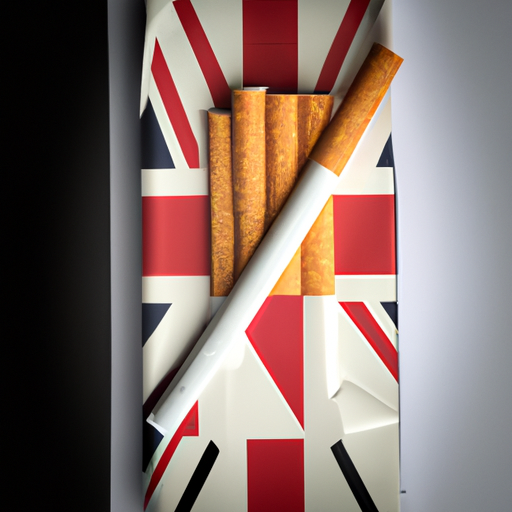
As a resident of the United Kingdom, I have seen firsthand the impact of cigarettes on our society. From the small local corner shop to the bustling city streets, the omnipresence of these small sticks of tobacco is undeniable. Despite knowing the harmful consequences, smoking remains a popular pastime in the UK, with an estimated 14.1% of the adult population identifying as smokers. In this article, I will explore the history, prevalence, and consequences of cigarettes in the UK, and discuss the efforts being made to reduce their usage.
The history of cigarettes in the UK can be traced back to the late 16th century, when tobacco was first introduced to Europe. By the 18th century, smoking had become a widespread habit among the aristocracy, and soon spread to the working class. In 1820, the first cigarette factory was opened in the UK, producing hand-rolled cigarettes made from tobacco imported from the American colonies. However, it wasn’t until the 20th century that cigarettes became mass-produced and more affordable, making them accessible to the general public.
The popularity of cigarettes continued to increase throughout the 20th century, with tobacco companies using clever marketing techniques to make smoking seem glamorous and fashionable. Advertisements featuring celebrities and athletes were common, and slogans such as “More doctors smoke Camels than any other cigarette” were used to promote the supposed health benefits of smoking. Smoking was also associated with masculinity, with images of rugged cowboys and suave men in suits puffing on cigarettes.
However, in the 1950s, researchers began to uncover the harmful effects of smoking. Studies found a direct link between smoking and lung cancer, prompting the Surgeon General of the US to issue a warning about the dangers of cigarettes. In the UK, the government took a more measured approach, with the creation of a voluntary health warning label in 1971. It wasn’t until 2007 that mandatory pictorial health warnings were introduced on all cigarette packets in the UK.
Despite these warnings, the rates of smoking in the UK continued to rise until the 1980s, with around half of the adult population being regular smokers. However, with increased awareness and education about the health consequences, the rates began to decline. The introduction of smoking bans in public places, such as restaurants, bars, and even offices, also played a significant role in reducing smoking rates. The Health Act of 2006 prohibited smoking in all enclosed public spaces in the UK, making it one of the first countries in the world to implement such a ban.
Furthermore, the government has implemented various policies to discourage smoking, such as increasing taxes on tobacco products and prohibiting the display of cigarettes in retail stores. These efforts have proved to be effective, with the smoking rate in the UK falling to an all-time low of 14.9% in 2019. However, there is still a long way to go in reducing the negative impact of cigarettes on our society.
One of the main challenges in combating smoking in the UK is the issue of addiction. Nicotine, the addictive substance in cigarettes, makes quitting a difficult task for many smokers. There are also social and cultural factors at play, with smoking being deeply ingrained in many communities and social circles. People may also use cigarettes as a coping mechanism for stress and anxiety, making it harder to give up.
Additionally, the tobacco industry continues to have a strong presence in the UK, with companies spending millions on marketing and lobbying efforts to maintain their profits. The introduction of e-cigarettes and vaping has also been a controversial topic, with some arguing that they serve as a gateway to smoking, while others believe they provide a healthier alternative for smokers looking to quit.
Another issue that shouldn’t be overlooked is the environmental impact of cigarette production and disposal. The manufacturing process of cigarettes involves cutting down trees, using chemicals and pesticides, and contributing to air pollution. Cigarette filters, made from plastic, are also a major source of litter, polluting our streets, beaches, and oceans.
In terms of the consequences of smoking, they go far beyond just personal health. The economic cost of smoking in the UK is estimated to be over £12 billion per year, with the National Health Service (NHS) spending millions on treating smoking-related illnesses. It’s also important to mention the impact on non-smokers, who can be exposed to secondhand smoke, leading to health issues such as asthma, heart disease, and lung cancer.
To tackle these issues, various measures are being taken in the UK. The NHS offers free support and resources for those looking to quit smoking, including nicotine patches, gum, and counselling services. The government has also set a goal to make the UK smoke-free by 2030, with plans to invest in stop-smoking services and campaigns to encourage healthier lifestyles.
As a society, we must continue to educate ourselves and others about the dangerous and far-reaching consequences of smoking. We can also support policies and initiatives that aim to reduce smoking rates and promote healthier alternatives. As individuals, we can make a difference by being responsible with our own cigarette use and disposing of them properly.
In conclusion, cigarettes have had a long and complicated history in the UK. While there has been progress in reducing smoking rates and raising awareness about their harmful effects, there is still work to be done in combatting the societal and environmental consequences. As a nation, let’s continue to work towards a smoke-free future and create a healthier and cleaner environment for generations to come.